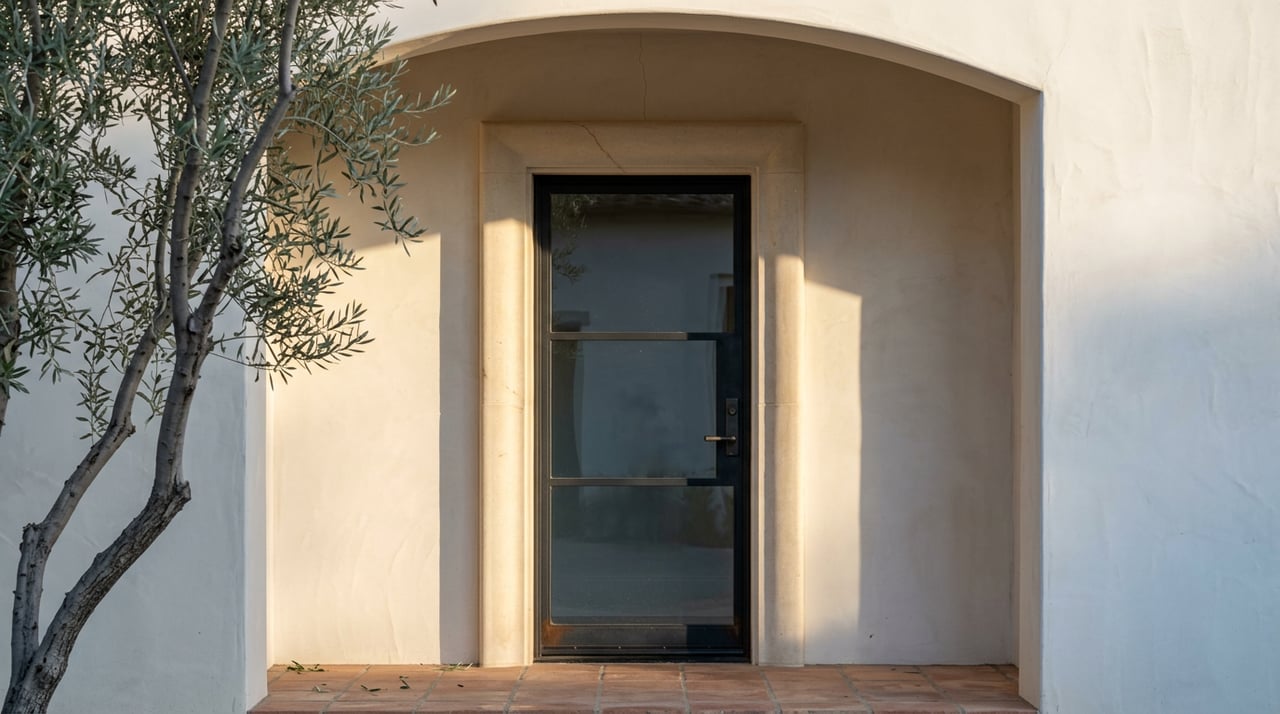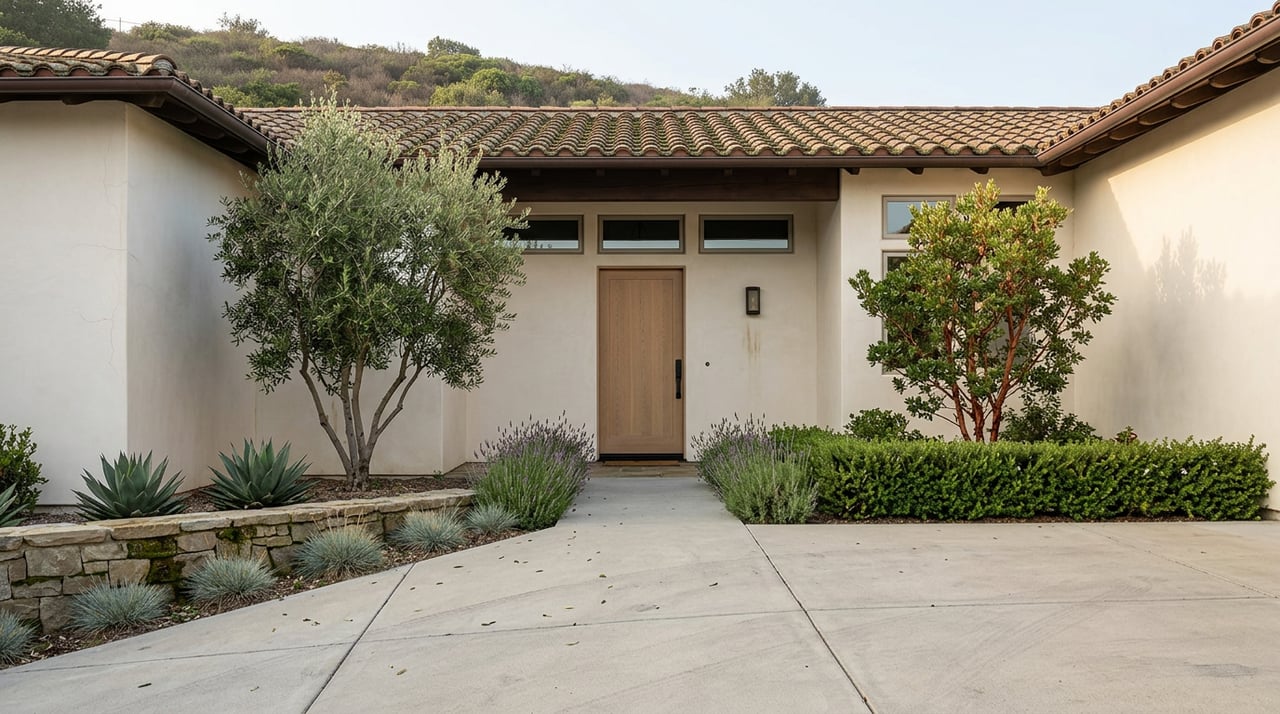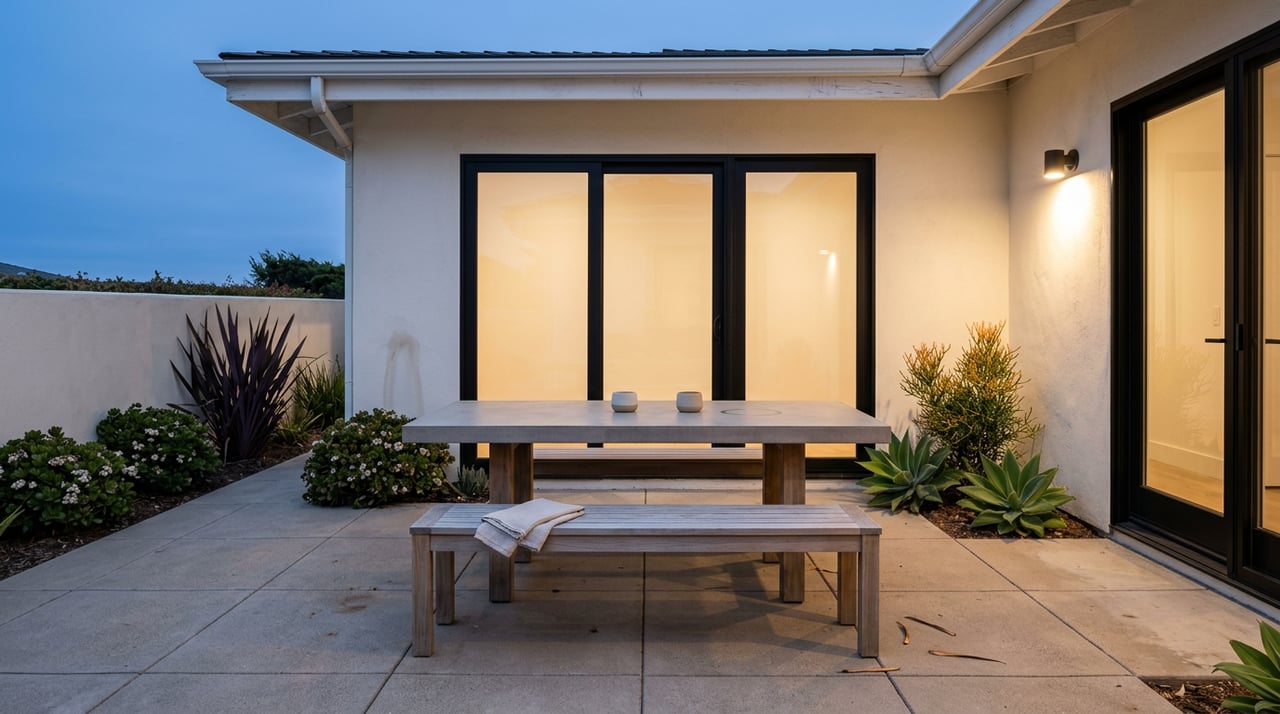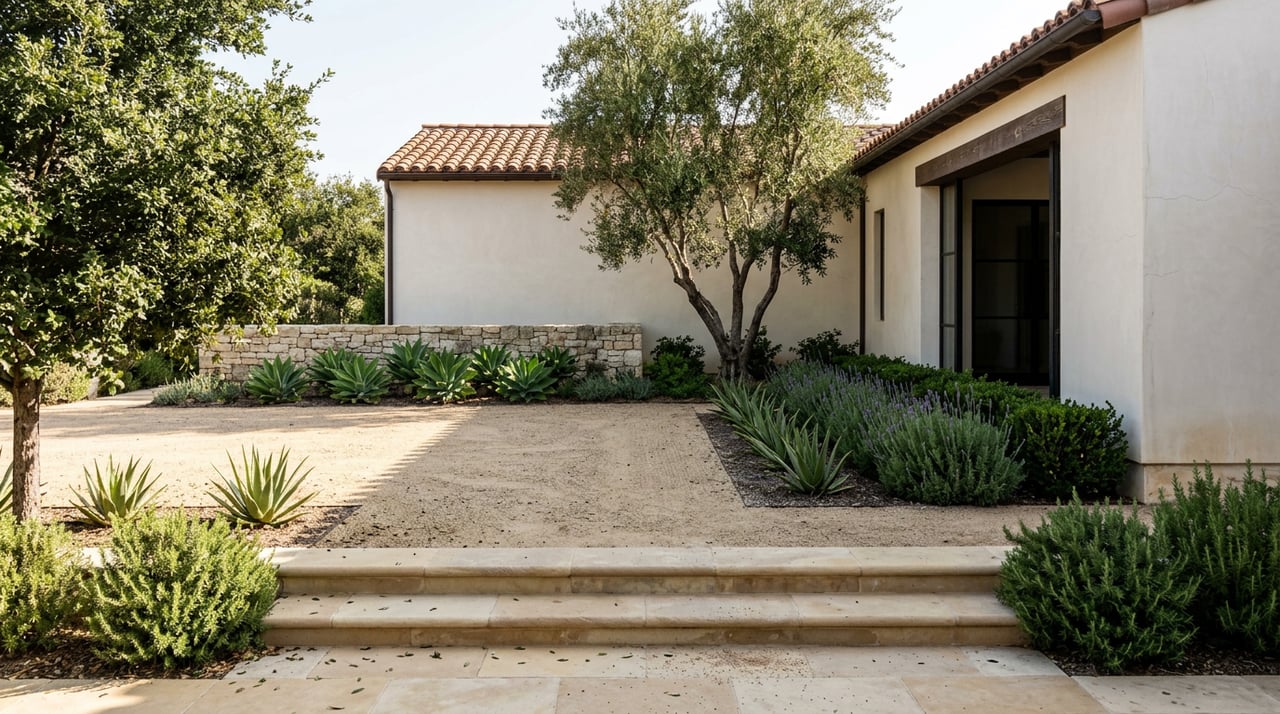
A buyer who has already toured a gated community elsewhere in North County walks onto a two-acre Olivenhain lot expecting the same paperwork: a homeowners association, an architectural review committee, a binder of CC&Rs governing fence height and paint color. None of that exists here. Olivenhain, the horse-country half of Encinitas that borders Rancho Santa Fe, has no master homeowners association at all. What it has instead is the Olivenhain Town Council, a volunteer group that shows up at Encinitas City Council meetings to advocate for the neighborhood but holds no authority to approve a remodel or fine anyone for an overgrown pasture.
That single fact, more than acreage or price, separates Olivenhain from the rest of the city, and it explains why homes there sell on a completely different timeline than the walkable coastal blocks four miles west. Encinitas gets marketed as one city with one median price. It behaves like three separate markets, each with its own answer to who is actually in charge of what gets built.
One City, Five Names, Three Real Markets
Encinitas was incorporated in 1986 by combining five older communities, Leucadia, Old Encinitas, New Encinitas, Cardiff-by-the-Sea, and Olivenhain, under one city government. The citywide median that gets quoted in market updates has bounced across a wide band this year: near $1.8 million in February, roughly $2.0 million in March, and up toward $2.2 million for the three months ending in May, depending on which snapshot and which mix of sales is behind the number. A median that swings by several hundred thousand dollars in a few months isn't describing one market. It's an average of three markets with different rules of engagement.
Group the five names by how they're actually governed and sold, and the picture sharpens. The coastal corridor, Leucadia, Cardiff, and Old Encinitas, is regulated block by block through the state's coastal permitting process. New Encinitas and Encinitas Ranch are planned communities with dues and assessments written into the deed. Olivenhain is the outlier: acreage without an association, custom without a committee.
The Neighborhood With No One in Charge
Olivenhain's independence isn't a quirk of modern zoning. German immigrants settled the area in 1884 and named it for the olive groves they planted. When the community joined the City of Encinitas in 1986, it kept its identity but never adopted the master-association model that governs comparable large-lot communities elsewhere in the county. The Olivenhain Meeting Hall, built by those original colonists in the 1890s, still stands and is listed on the National Register of Historic Places. It functions as an actual gathering space rather than a preserved relic, and it's a fitting symbol for how the neighborhood runs itself: informally, by custom, with no management company collecting dues.
The practical result shows up on every street. Architectural styles run from classic ranch to Mediterranean to full modern rebuild within the same few blocks, because no review board is smoothing them toward uniformity. Utility service splits between the Olivenhain Municipal Water District and the San Dieguito Water District depending on which side of a given road a property sits, and some lots still run on septic rather than the municipal sewer line. None of that shows up in a listing photo. A buyer comparing Olivenhain to a planned community has to ask questions that never come up in a deed-restricted subdivision.
What No Governance Costs You at Closing
The absence of an HOA doesn't just change the paperwork. It changes who's bidding. Olivenhain recorded a median sale price of $1.7 million in February 2026, up double digits year over year, but homes were taking 40 days to sell on average, compared with 22 days the year before. By May 2026, the reported median for the area had climbed to nearly $1.95 million, an 11 percent increase from a year earlier. By August, homes here were still averaging in the mid-40s for days on market, well above the citywide pace. Swings that size aren't a market changing its mind. They're a market that's thin: only about 30 to 40 Olivenhain homes close in a typical month, so one or two multi-acre estate sales can move the median by six figures in either direction.
The buyer pool explains the pattern. Someone shopping Olivenhain for land and privacy isn't cross-shopping a Cardiff cottage two blocks from the water. They're comparing it to Rancho Santa Fe and, further out, Fallbrook, communities that share the acreage-without-a-manager model. That's a narrower field of serious buyers than the coastal corridor draws, and a narrower field clears more slowly even when the price is right.
The Opposite Bet: Encinitas Ranch's Assessed Order
New Encinitas and Encinitas Ranch sit at the other end of the governance spectrum. Built later and centered on a public golf course and a retail core, these communities were designed with an HOA from the start, and in Encinitas Ranch that dues structure pairs with a Community Facilities District, better known as Mello-Roos, a special tax that shows up as its own line on the property tax bill and needs to be priced into the monthly payment before anyone writes an offer. A nearby pocket built around community pools and greenbelts follows the same pattern: shared amenities maintained by an association rather than left to individual owners.
The tradeoff is legibility. A buyer touring Encinitas Ranch knows exactly what the dues cover, what the architectural standards require, and what the neighbor two doors down is allowed to build. That predictability shows up in steadier days-on-market numbers than Olivenhain's estate inventory produces, even when the price tags land in a similar range.
The Coastal Corridor Runs on a Different Set of Rules Entirely
Leucadia, Cardiff-by-the-Sea, and Old Encinitas aren't governed by an HOA or a town council. They're governed by the California Coastal Commission and the city's Local Coastal Program, which controls what gets built within the coastal zone regardless of who owns the lot. That layer of review is why a rebuild or an addition near the bluff in Leucadia or Old Encinitas can take longer to permit than a comparable project inland, and why a 2019 bluff collapse near Grandview still shapes how buyers and lenders think about geotechnical reports on anything close to the edge.
The corridor has its own internal geography worth knowing before a first tour. Cardiff carries its own zip code, 92007, and splits informally into the flat, walkable stretch near Seaside Market and a hillside section where the streets climb enough to earn wide ocean views. Old Encinitas centers on Moonlight State Beach and the restored La Paloma Theatre, with a mix of bungalows, updated cottages, and infill condos that gives it more entry points than the acreage-heavy east side of the city. Leucadia keeps its surf identity along Coast Highway 101, with named breaks like Beacons and Grandview still drawing the crowd that gives the neighborhood its character. None of this corridor carries Olivenhain's thin-buyer-pool problem. It has the opposite issue: enough demand that well-priced coastal listings routinely draw competing offers within weeks.
What This Means If You're Comparing Encinitas Neighborhoods
The citywide median is a starting point for a phone conversation, not a number to build an offer around. Weighing acreage and privacy means pricing Olivenhain against its own recent sales, not the coastal corridor's faster clock, and budgeting extra time for both the search and the closing. Wanting predictability and amenities more than the last acre means Encinitas Ranch's HOA and CFD structure trade a little more in carrying costs for a lot more certainty about what the neighborhood will look like in ten years. Wanting walkability and beach access means expecting the Coastal Commission's permitting layer to slow any renovation plans, and expecting to compete for anything priced correctly.
The five names on the map tell you where a house sits. They don't tell you who's in charge of what happens next door, how long it will take to sell, or what body actually approves a remodel. That's the question worth asking before the second showing, not after the offer is in.
Frequently Asked Questions
Does Olivenhain have a homeowners association? No master HOA governs Olivenhain as a whole. The Olivenhain Town Council is a voluntary civic group that advocates for the community at Encinitas City Council meetings, but it has no authority to enforce architectural standards or collect dues. Individual subdivisions within Olivenhain may carry their own smaller association or CC&Rs, so that detail still needs confirming lot by lot.
Why do Olivenhain homes take longer to sell than the rest of Encinitas? The area's buyer pool is narrower and its monthly sales volume smaller, roughly 30 to 40 closings a month against well over a hundred citywide. With fewer transactions, one or two large estate sales can shift the median substantially, and serious buyers for multi-acre equestrian properties tend to compare Olivenhain to Rancho Santa Fe and Fallbrook rather than to the coastal neighborhoods a few miles away.
What is Mello-Roos, and where does it apply in Encinitas? Mello-Roos is a Community Facilities District special tax used to fund infrastructure in newer developments. In Encinitas, it applies most commonly in Encinitas Ranch, where it appears as a separate line on the annual property tax bill in addition to standard HOA dues.
Is Cardiff-by-the-Sea a separate city? No. Cardiff-by-the-Sea keeps its own zip code, 92007, and a strong identity of its own, but it has been part of the City of Encinitas since the 1986 incorporation that combined it with Leucadia, Old Encinitas, New Encinitas, and Olivenhain.
Comparing Olivenhain's acreage against Cardiff's walkable blocks, or trying to price a listing correctly across five submarkets that don't behave like one city? Chris Martin works North County's inland and coastal neighborhoods daily and can walk you through what each governance structure actually means for your timeline. Get a Free Home Valuation to start the conversation with real comps instead of a citywide average.