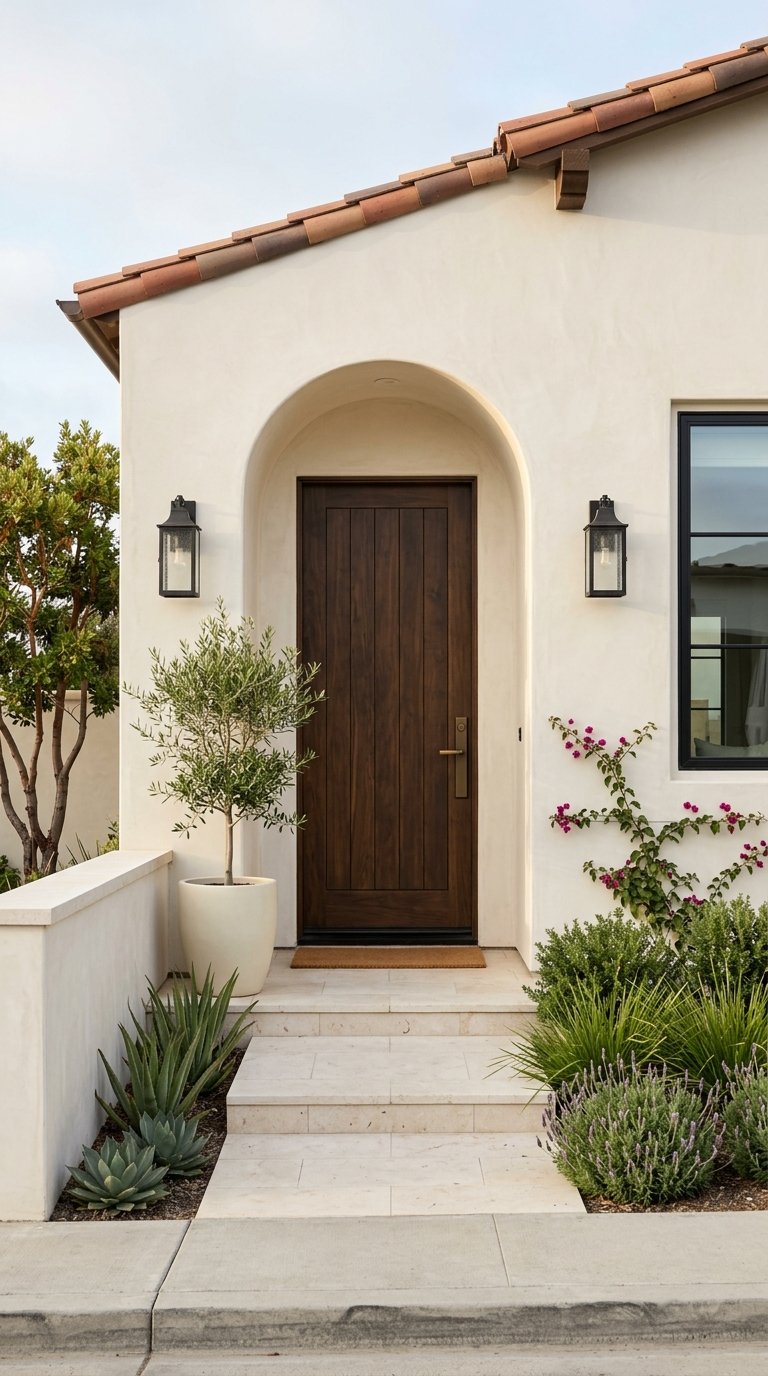
Wondering what it actually feels like to live where you can grab coffee, walk to the beach, run errands, and catch sunset without getting in the car every time? That is a big part of the appeal in Del Mar Village. If you are considering a move to this part of coastal North County, it helps to understand both the charm and the day-to-day realities. Here is what a typical day can look like, and why the Village lifestyle stands out. Let’s dive in.
Why Del Mar Village feels different
Del Mar Village sits in the coastal heart of Del Mar, about 20 miles north of San Diego. The city describes it as a quaint seaside village with Pacific access, European charm, and a center you can explore on foot or by bike, which helps explain why the area feels more compact and polished than a typical suburban neighborhood. You can see that emphasis in the city’s own overview of Del Mar.
That feel is not accidental. The city’s Village Center planning supports small-town character, pedestrian-oriented streets, and low-scale development that aims to preserve ocean views. For you as a buyer, that often translates into a lifestyle where daily routines feel closer, calmer, and more connected to the coast.
Start your morning on foot
One of the easiest ways to understand the Village is to picture an ordinary morning. Instead of planning a long drive, you might start with coffee or breakfast and head toward the water before the day fully gets going. In Del Mar Village, that kind of routine is realistic.
According to the local village association’s dining guide, Better Buzz works well for a quick grab-and-go stop before the beach, Harry’s Coffee Shop is a long-standing breakfast and lunch staple, and Lyric Coffee sits in the lobby of L’Auberge Del Mar. If you need something practical for the day ahead, Valley Farm Market gives you a neighborhood grocery option close to home.
That blend of convenience and scenery is a major part of the appeal. You are not choosing between everyday function and a coastal setting. In the Village, the two often overlap.
Beach access is part of daily life
For many buyers, beach access is the headline feature. Del Mar offers more than two miles of sandy beach, and the Village puts you close to some of the most used access points.
Powerhouse Park and Seagrove Park sit just above the 15th Street surf break, making them central gathering spots in the Village core. Powerhouse also includes useful amenities like restrooms, showers, bike racks, a tot lot, and accessible concrete walkways down to the beach. If you surf, the city notes that the 11th Street and 15th Street breaks are among the most frequented and consistent spots.
What matters from a lifestyle perspective is how easy the coast feels to reach. In some beach communities, the ocean is nearby on a map but less integrated into the rhythm of your day. In Del Mar Village, beach time can feel like a natural extension of your morning routine.
Midday in the Village
By midday, Del Mar Village shifts from beach energy to a mix of shopping, errands, and casual dining. This is where the walkable format becomes especially valuable. You can move through several parts of your day without losing momentum to traffic or parking resets.
The village association’s shopping guide describes Del Mar Plaza as a high-end, dog-friendly shopping destination with boutiques, restaurants, and salons. Stratford Square, near 15th Street and Camino Del Mar, blends a historical gallery, creative shops, and sidewalk cafes, which adds to the area’s small-scale, polished feel.
If you like local routines, the Del Mar Farmers Market runs year-round on Saturdays from 1:00 to 4:00 p.m. at Civic Center Plaza. That gives the Village a weekly gathering point that fits naturally into an afternoon walk or errands run.
Streets and homes to know
If you are new to Del Mar, a few street names come up often because they shape how people move through the Village. Camino Del Mar is the main north-south spine. The 11th through 15th Street area anchors much of the civic core and beach access.
Residential streets you will hear about include Luneta, Stratford Court, and Ocean Avenue. Farther north, Coast Boulevard and the 17th-through-29th-Street area define North Beach, while Beach Colony sits between 18th Street and the San Dieguito River, according to the city’s parking and access information.
The housing mix is more layered than some buyers expect. Based on the city’s land use plan, the area includes mostly low-density single-family homes, along with duplex, clustered residential, and some multi-unit pockets. That means your options may vary depending on whether you want a classic village home near the core, a beach-close setting, or a residence with a slightly different footprint.
Why the area feels upscale
Del Mar Village has a strong sense of place, and that contributes to its luxury appeal. Ocean-view dining, boutique retail, compact streets, and low-scale planning all support an environment that feels curated rather than overbuilt. For many buyers, that balance is the difference between a beach town that feels busy and one that feels refined.
The city’s planning framework reinforces that character by encouraging pedestrian-oriented streets, community-serving retail, open space, and buildings that stay in scale with the Village while preserving views. That approach helps protect the visual identity that draws people here in the first place. If you value walkability and a polished coastal setting, that matters.
Sunset and evenings in Del Mar Village
Evenings are a big part of the lifestyle story. The Village association highlights sunset spots in Del Mar including Powerhouse Park, Seagrove Park, North Beach, and the Sunset Seat. These are the kinds of places where the day naturally slows down.
If dinner with a view is part of your ideal routine, the same guide points to ocean-view dining from L’Auberge Del Mar or the top of Del Mar Plaza. Nearby dinner options highlighted by the village association include Poseidon on the sand, Sbicca Del Mar with its rooftop ocean-view terrace, and Viewpoint Brewing Co. with lagoon and racetrack views.
That sequence, beach, walk, sunset, dinner, is what makes Del Mar Village feel like more than just a location. It can feel like a complete day without requiring much planning at all.
Practical tradeoffs to understand
Every high-demand coastal area comes with tradeoffs, and Del Mar Village is no exception. The biggest one for many residents and visitors is parking. The city notes that there is free all-day parking at the Civic Center garage, along with no-time-limit parking on some residential streets such as Luneta, Stratford Court, and Ocean Avenue, but paid or time-limited parking is common closer to the beach. On busy summer days, parking can fill by noon, according to the city’s free parking guide.
That does not mean the area is inconvenient. It means your experience improves when you understand the rhythm of the Village and plan around peak demand. For full-time residents, the walkable setup often reduces how often you need to move your car once you are home.
Another reality is the event calendar. The city says the Del Mar Fairgrounds spans about 340 acres, hosts about 300 events each year, and attracts approximately three million visitors annually. The Del Mar Thoroughbred Club’s 2026 race season is scheduled for July 17 through September 7 and November 6 through November 29, which makes fair and racing season a real part of the local rhythm.
Dog-friendly coastal living
If you have a dog, Del Mar’s beach culture may be another plus, but the rules change by season and location. The city’s dog-friendly beach guidelines show that off-leash and leash rules vary depending on the stretch of sand and the time of year.
In general, the area north of 29th Street is the most permissive off-leash zone, while beach areas closer to Powerhouse Park and the Village core have stricter leash requirements. For pet owners, that is worth understanding before you buy so your daily routine matches the section of Del Mar that best fits your lifestyle.
Is Del Mar Village truly walkable?
In short, yes. The city’s own materials say the Village core can be explored on foot or by bicycle, and the local layout supports that claim. Coffee, beach access, shops, parks, and restaurants are all woven into a compact area.
That said, walkability in Del Mar Village is not just about distance. It is also about having enough to do within a few blocks that the neighborhood supports a full day of living, not just a short stroll. That is what makes the area so appealing to buyers who want a coastal home with both convenience and character.
What this means for buyers
If you are considering Del Mar Village, the biggest question is whether the lifestyle fits how you want to live. If you value being able to step out for coffee, spend time by the water, handle a few errands, and end the day with a sunset walk or dinner nearby, the Village offers a compelling setup. It feels connected, scenic, and intentionally scaled.
At the same time, it is smart to weigh the seasonal realities. Parking pressure, fairgrounds activity, and race season are part of the package. For many buyers, those tradeoffs are well worth it, but it helps to go in with a clear picture of the day-to-day experience.
If you want guidance on Del Mar Village homes, nearby coastal opportunities, or how this lifestyle compares with other North County neighborhoods, Chris Martin offers discreet, local insight and concierge-level support tailored to your goals.
FAQs
Is Del Mar Village walkable for daily life?
- Yes. The city says the Village core can be explored on foot or by bicycle, and the area includes nearby coffee, beach access, shopping, parks, and dining.
What types of homes are found in Del Mar Village?
- The city’s land use plan shows mostly low-density single-family homes, plus duplex, clustered residential, and some multi-unit pockets.
Where are the main beach access points in Del Mar Village?
- Powerhouse Park and Seagrove Park above the 15th Street break are key access points, and the city also identifies the 11th Street and 15th Street surf breaks as popular and consistent.
What are the main tradeoffs of living in Del Mar Village?
- The biggest practical tradeoffs are parking pressure and event-driven crowds, especially in summer and during fair or racing season.
Is Del Mar Village dog-friendly for beachgoers?
- Yes, but rules vary by season and beach location. The most permissive off-leash area is north of 29th Street, while leash rules are stricter closer to Powerhouse Park and the Village beach zone.