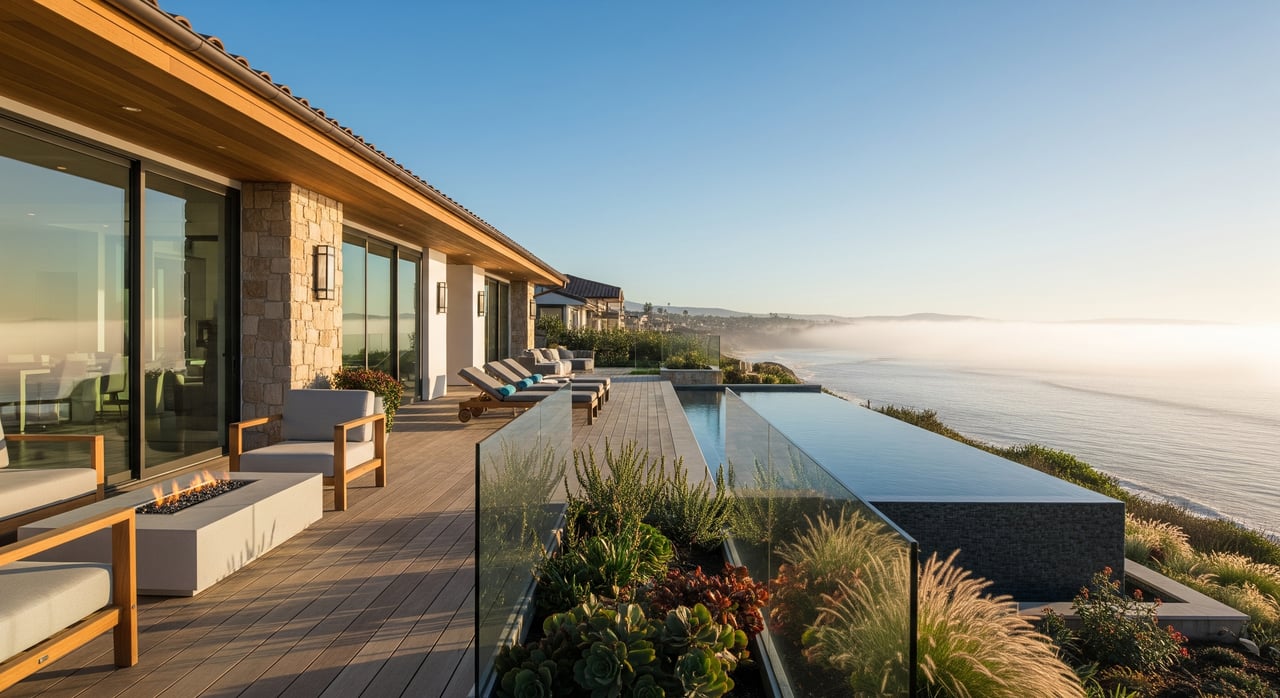
A few blocks in Carlsbad can change your morning sky, your afternoon breeze, and even how often you repaint your deck. If you are relocating or narrowing neighborhoods, those small shifts matter for comfort and maintenance. You want sun when you want it, shade when you need it, and a home that holds up to salt, wind, and warmth. This guide gives you a clear, practical look at Carlsbad’s coastal microclimates and how to use them to your advantage when you buy. Let’s dive in.
What creates Carlsbad microclimates
Marine layer and coastal influence
Carlsbad’s coast often wakes up under a cool, shallow marine layer, most common in late spring and early summer. You might hear locals call it June gloom, but it can show up any time of year. Near the beach, mornings tend to be cooler and more humid, with clouds burning off as the day warms. A mile or two inland, the marine layer usually clears earlier and afternoons feel sunnier.
This pattern is normal along the Southern California coast and is described by forecasters at the National Weather Service San Diego and researchers at Scripps Institution of Oceanography. The key takeaway for you is simple. The closer you are to the ocean, the more often you will see overcast mornings, higher humidity, and moderated temperatures.
Afternoon sea breezes and wind exposure
As the land heats up, onshore breezes develop and often strengthen through the afternoon. Exposed bluffs and homes oriented to the northwest can feel windier, which cools outdoor areas but can bring more salt spray. Sheltered pockets behind buildings, in canyons, or slightly inland often stay calmer. When you tour, notice if patios are usable and comfortable after lunch since that is prime time for outdoor living in Carlsbad.
Elevation and topography effects
Carlsbad rises gently from the beach toward inland foothills. Even small elevation changes can shift temperature, humidity, and wind. Coastal flats feel the strongest marine influence. Higher elevations generally bring more sun and warmer daytime highs, with ridgelines exposed to wind. Sheltered valleys and canyon bottoms can be calmer during the day and cooler at night.
If you compare climate data from coastal stations to McClellan-Palomar Airport inland, you will see those differences reflected in temperature and humidity. You do not need exact numbers to plan. Expect more moisture, salt, and wind near the water and more sun and daytime warmth inland.
Seasonal events that shift conditions
Santa Ana wind events, most common in fall and winter, bring hot, dry air from the interior. They reduce humidity quickly and elevate fire risk, especially in inland and canyon-adjacent areas. On a multi-year scale, El Niño and La Niña can influence the strength of the marine layer and rainfall. These are background patterns rather than daily forecasts, but they are useful context when you plan materials, wildfire readiness, and insurance.
What it means for your home
Exterior materials that last near the coast
Salt in the air accelerates corrosion and degrades finishes, especially on bluffs and beachfront sites. If you are buying near the ocean, prioritize corrosion-resistant hardware and finishes. Marine-grade stainless steel, such as 316, coated metals, and high-quality exterior paints hold up better in coastal environments. Stucco with proper water-resistive barriers and fiber-cement siding reduce maintenance compared to exposed wood.
Roofing lives a harder life at the coast due to salt and wind. Concrete or clay tile and coastal-rated composition shingles are common. Metal roofs should have appropriate protective coatings. For decks and rails, choose pressure-treated lumber rated for exterior use, tropical hardwoods, or high-quality composite systems designed for saline conditions.
Windows and doors checklist
Windows and sliders face two enemies near the ocean. Higher humidity can stress seals, and salt can corrode tracks and hardware. Double-pane low-E glazing improves comfort, but you should check for past condensation between panes and look closely at locks, rollers, and screens. For long-term durability, select frames, fasteners, and screens rated for marine exposure.
HVAC, ventilation, and moisture control
Along the coast, morning fog and moist air can lead to surface dampness in shaded areas. HVAC outdoor units should use corrosion-resistant finishes, and service intervals are typically more frequent in marine zones. Inland, you will likely see higher cooling loads in summer afternoons, so HVAC sizing, duct insulation, and attic ventilation matter. In all areas, steady ventilation and balanced humidity help prevent mold and protect finishes.
Landscaping and outdoor living
Choose plants that match your microclimate. Near the coast, salt-tolerant and drought-tolerant species perform well and reduce replacement costs. Inland yards can support a broader plant palette but still benefit from California-native and water-wise choices. Irrigation hardware should be pressure regulated and corrosion resistant, with regular checks for leaks. For outdoor furniture and kitchen components, place them where they are shielded from prevailing winds to extend life and improve comfort.
Neighborhood patterns to compare in Carlsbad
Coastal bluffs and beachfront
Expect the strongest marine influence here. Mornings are often cool and overcast, and afternoon sea breezes can be brisk. Homes face higher salt exposure, so exterior paint, metal elements, and deck fasteners usually need more frequent attention. When you evaluate a property, look for wind-protected outdoor zones and review local guidance on bluff stability, coastal erosion, and long-term sea level planning with the City of Carlsbad.
Village and near-coast areas within about a mile
These neighborhoods benefit from moderated temperatures and frequent marine layer mornings. Sun usually breaks through by midday on typical days. Depending on street orientation and blocks, some homes sit in pockets that shelter them from the strongest breezes. The key buyer questions are humidity management, window performance, and patio placement that catches afternoon sun once the clouds clear.
Lagoons, marshes, and lowlands
Areas around lagoons and wetlands can see localized humidity and fog variations. They also come with specific vegetation communities and mosquito management considerations. Before you buy, check applicable floodplain mapping, understand protected habitat buffers and setbacks, and confirm landscaping plans that respect local ecosystems. These steps keep you compliant and reduce surprises after closing.
Inland foothills and gated developments
Move a few miles inland and higher in elevation, and you will feel warmer daytime highs and more sun exposure. Ridgelines can be windier, while sheltered valleys can cool quickly at night. You should plan for larger daily temperature swings, thoughtful solar gain management, and more active cooling. In areas near natural open space, evaluate wildfire risk, defensible space, and building materials designed for ember resistance.
Canyons and sheltered pockets
Canyons reduce wind exposure, which can make outdoor areas more comfortable on breezy days. They can also hold moisture in shaded corners and cool off more at night. Drainage and slope stability deserve careful review. Good ventilation and sun access help manage dampness, especially on the north and east sides of structures.
Santa Ana exposure and wildfire considerations
Hot, dry offshore winds can affect inland and canyon-adjacent neighborhoods more than the immediate coast. Review Cal Fire hazard maps, local defensible space requirements, and insurance options early in your search. Roof and vent details, non-combustible exterior materials where required, and clear vegetation management plans are smart investments in these areas.
How to shop smarter across microclimates
Seeing the same property at different times of day tells you more than any listing description.
- Visit in the morning to feel the marine layer and humidity.
- Return in mid-afternoon to test sea breezes on patios and balconies.
- Stop by in the evening to gauge cooling, indoor comfort, and outdoor usability.
- Note which outdoor spaces get morning sun after burn-off versus warm afternoon light.
What to ask your inspector
- Exterior: paint and coating condition, rust on fasteners and railings, deck hardware, and signs of salt corrosion on gutters and vents.
- Roof: check tiles or shingles, flashings, and valleys for coastal wear.
- HVAC: outdoor unit corrosion, coil condition, duct insulation, and maintenance records suited to the home’s microclimate.
- Windows and doors: seal integrity, sliding track corrosion, and any history of condensation between panes.
- Drainage and grading: confirm positive drainage away from the foundation and look for standing moisture in shaded yards.
- Vegetation and defensible space: for inland or canyon homes, confirm appropriate clearances and a plan for ongoing maintenance.
Material and retrofit priorities
- Coastal or exposed homes: favor stainless or marine-grade fasteners, marine-rated exterior coatings, composite or tropical hardwood decking, and tile or well-coated metal roofs.
- Inland or WUI-adjacent homes: install ember-resistant vents where applicable, consider non-combustible cladding options as required, and set a defensible landscape plan.
- All homes: schedule regular maintenance, including exterior paint touch-ups, hardware replacement, and HVAC service. In marine areas, a 6 to 12 month service cadence for outdoor HVAC components is common.
Insurance and permitting checks
- Flood and sea level rise: review FEMA Flood Insurance Rate Maps and local sea-level adaptation plans before you commit to low-lying coastal properties.
- Fire: consult Cal Fire hazard maps and local fire department regulations for defensible space and any retrofit requirements.
- Coastal and city permits: some exterior repairs or re-cladding near the coast may require additional permits or coastal development review. Confirm early with the City of Carlsbad to avoid delays.
Choosing the right fit
Your ideal Carlsbad microclimate comes down to lifestyle, maintenance expectations, and budget. If you want cool mornings, moderated temperatures, and ocean air, focus closer to the coast and plan for materials and maintenance that stand up to salt and wind. If you prefer sunnier afternoons and larger outdoor temperature swings, explore inland foothills and sheltered valleys and plan for cooling efficiency and wildfire readiness.
The best approach is simple. Match your daily rhythm to the environment, select materials that last in that setting, and build a smart maintenance plan. With clear priorities and the right local guidance, you can enjoy Carlsbad’s coastal living with fewer surprises and a home that performs year after year.
If you want help narrowing neighborhoods and evaluating properties through a microclimate lens, reach out to Chris Martin for discreet, concierge-level buyer representation backed by deep local insight and a trusted vendor network.
FAQs
What is the marine layer and how does it affect Carlsbad buyers?
- The marine layer is a cool, moist air mass that often brings overcast mornings near the coast, so you should expect cooler starts to the day and higher humidity closer to the beach.
How different does it feel inland compared to the beach in Carlsbad?
- Inland areas usually clear earlier and run warmer and drier by afternoon, while coastal neighborhoods stay cooler and more humid with stronger sea breezes.
Which home materials perform best near the ocean in Carlsbad?
- Marine-grade stainless hardware, high-quality exterior coatings, fiber-cement or well-detailed stucco, and tile or coated metal roofs generally handle salt and wind better.
What should I check during inspections for a coastal Carlsbad home?
- Focus on corrosion of exterior hardware, roof flashings and valleys, window and door seals, HVAC coil and unit condition, and drainage away from the foundation.
How do Santa Ana winds impact Carlsbad home selection?
- Santa Ana events bring hot, dry winds that raise wildfire risk inland and near canyons, so prioritize defensible space, ember-resistant details, and early insurance reviews in those areas.