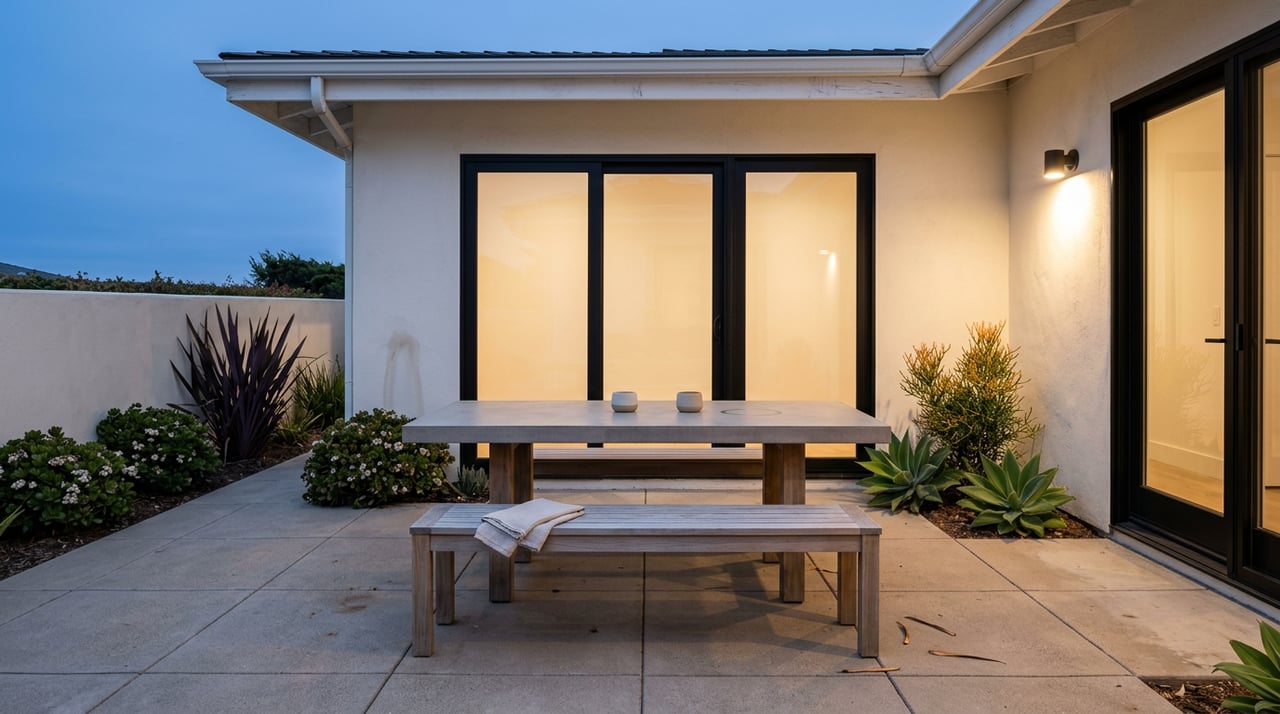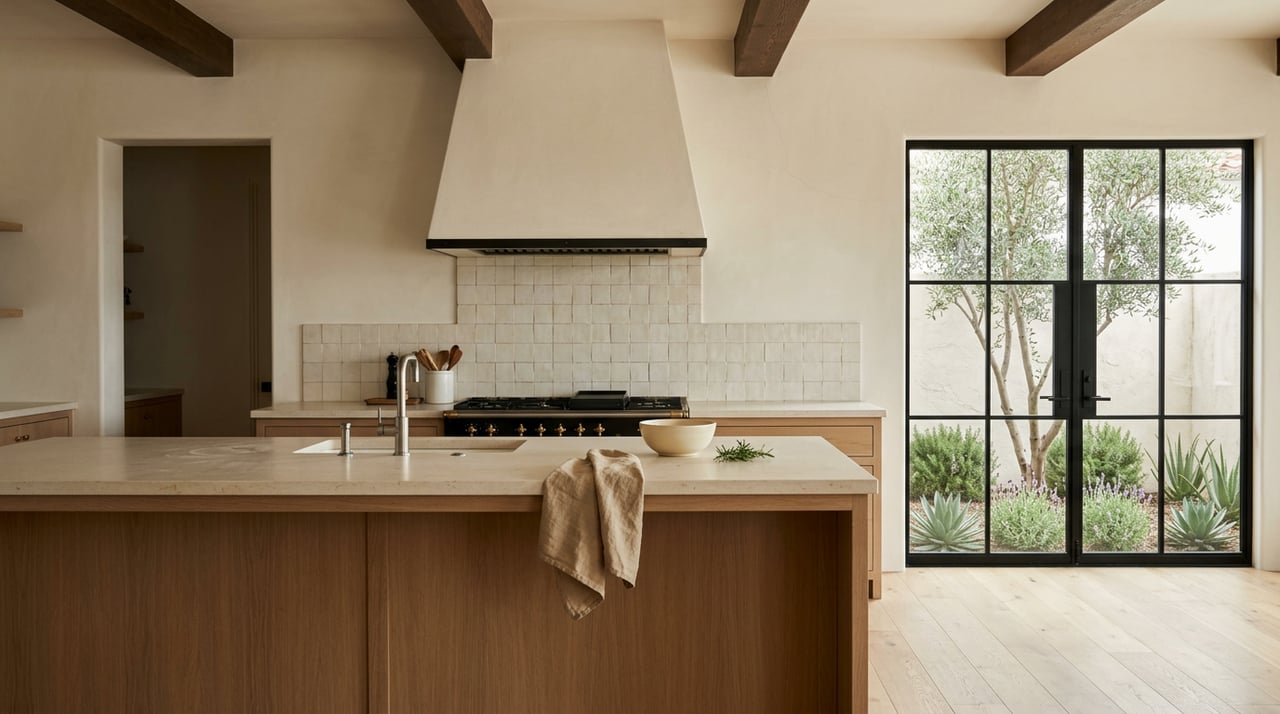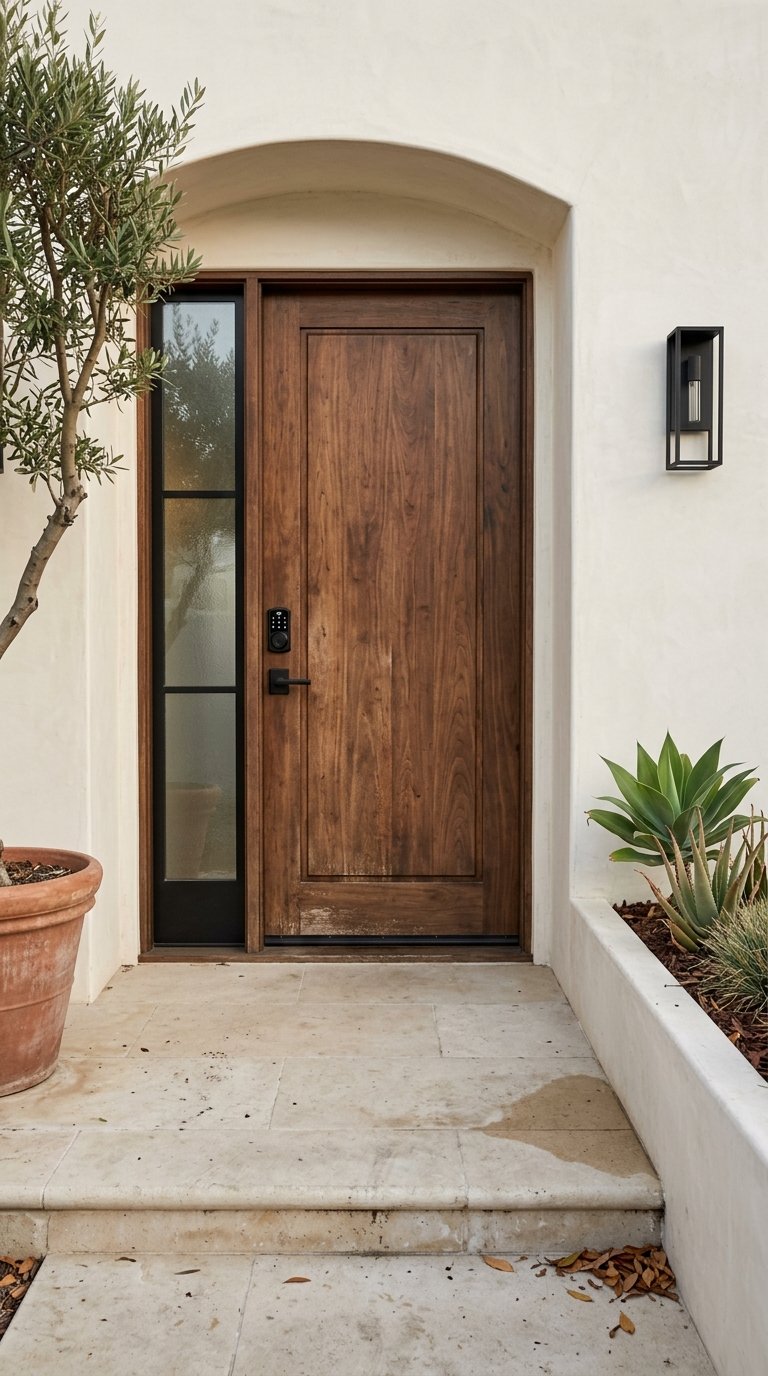
A coastal home should make your life easier, not add a second full-time to-do list. If you are considering a part-time residence in Del Mar, you are likely looking for a place that feels effortless when you arrive and secure when you leave. The good news is that Del Mar can support that lifestyle, but the right fit depends on property type, upkeep, local rules, and how you plan to use the home. Let’s dive in.
Why Del Mar Fits Lock-and-Leave Living
Del Mar offers a rare mix of coastal beauty and everyday convenience in a compact setting. The city notes that its beaches stretch for more than two miles, with access to coastal bluffs, Torrey Pines State Park, Crest Canyon trails, Scripps Bluff Preserve, and the San Dieguito River Lagoon.
For part-time owners, that setting matters because ease of use is part of the value. Del Mar Village also includes restaurants, boutiques, hotels, and services, which can make it simpler to arrive for a weekend or season without needing a long errand list before you settle in.
There is also data that supports the idea of occasional-use ownership in this market. San Diego County’s 2023 city profile shows Del Mar with 2,586 total housing units, including 696 unoccupied units. That does not confirm second-home ownership by itself, but it does show a meaningful share of homes are not continuously occupied.
What Makes a Home Truly Lock-and-Leave
A lock-and-leave home is not defined by a label. In practice, it usually means a home that requires less hands-on oversight when you are away.
In Del Mar, the best lock-and-leave properties often share a few traits:
- Simple exterior upkeep
- Predictable maintenance responsibilities
- Manageable parking and access
- Remote security features
- Limited need for constant vendor coordination
That last point matters more here than many buyers expect. Del Mar has a certified Local Coastal Program and a design review framework intended to preserve the city’s seaside character, so exterior changes and site work can involve a more detailed process than in many inland communities.
Best Property Types in Del Mar
If your goal is lower-touch ownership, attached housing often deserves a close look. Del Mar’s housing element shows a mix of housing types, including detached homes, attached homes, and larger multifamily buildings.
The occupied housing stock is made up of 48.2% detached homes, 19.8% attached homes, 1.1% in 2-unit buildings, 5.9% in 3- to 4-unit buildings, 1% in 5- to 9-unit buildings, and 24% in buildings with 10 or more units. Based on that mix, condos, townhomes, and smaller attached residences are often natural options for buyers who want simpler ownership.
Condos and Townhomes
For many buyers, condos and townhomes are the clearest lock-and-leave choice. Shared maintenance responsibilities can reduce the number of moving parts when you are away, especially if exterior care is handled through an association.
That said, you should never assume all attached homes function the same way. HOA coverage, guest policies, parking rules, rental limitations, and maintenance standards can vary widely from one community to another.
Detached Homes With Updated Systems
A detached home can still work well for lock-and-leave use if it has already been thoughtfully updated. In Del Mar, renovation level matters because much of the city’s housing stock is older.
The city’s housing element says about 63% of Del Mar homes were built between 1950 and 1970, and only 7% were added since 2000. The same document notes that older housing generally requires more upkeep and regular maintenance, which means systems age may matter just as much as the view or distance to the beach.
Why Older Housing Deserves Extra Attention
In a coastal market, age affects more than appearance. An older home may offer character and location, but it can also bring more ongoing oversight if plumbing, roofing, windows, exterior finishes, or mechanical systems are dated.
If you plan to use the home part time, you want as few surprises as possible between visits. A renovated home with simpler landscaping and modern systems may be easier to manage than a larger property that looks appealing on day one but needs frequent attention throughout the year.
Budget Beyond the Purchase Price
A lock-and-leave plan should include realistic carrying costs, not just the acquisition number. Del Mar is a high-cost coastal market, and even lower-maintenance property types can carry meaningful ongoing expenses.
San Diego County’s 2023 profile lists Del Mar’s median gross rent at $3,377 and median house value at $2,000,000+. That data is not a direct estimate of ownership cost, but it is a useful reminder that this is a premium market where conservative budgeting matters.
The city’s housing element also reported that 22.3% of households were paying more than 50% of income toward housing costs in 2013 to 2017 CHAS data. For buyers, that reinforces the value of planning for the full cost of ownership with a comfortable margin.
Costs to Think Through Early
Before you buy, it helps to map out likely recurring expenses such as:
- HOA dues, if applicable
- Insurance and property tax obligations
- Routine cleaning between visits
- Landscaping or exterior care
- Pest control and preventive maintenance
- Alarm monitoring and home check services
- Mail and package handling
A home only feels easy to own if the support system around it is easy too.
Coastal Permits and Property Oversight
One of the most important parts of buying in Del Mar is understanding that ease of daily living does not always mean simplicity for future improvements. The city identifies several permits that may affect coastal ownership and improvement work, including a Coastal Development Permit, Floodplain Development Permit, Land Conservation Permit, and Shoreline Protection Permit.
For a lock-and-leave buyer, this matters because your long-term plans may affect your ideal purchase. If you think you may want to expand outdoor areas, change exterior elements, add protective improvements, or do bluff-related work, those items should be reviewed early.
Del Mar also notes that FEMA completed coastal flood hazard mapping and released a preliminary Flood Insurance Rate Map for flood management purposes. That means flood-related review may be part of the diligence process for some properties, especially if location and site conditions raise additional questions.
Match the Home to Your Usage Goals
In Del Mar, usage goals are not a small detail. They should shape your search from the start.
A private retreat, a seasonal residence, and an income-focused property are not the same thing from a regulatory or practical standpoint. If you want flexibility later, that needs to be checked before closing, not after.
Short-Term Rental Rules Matter
Del Mar’s short-term rental environment is specific and restrictive enough that buyers should not make assumptions. The city says it adopted short-term rental regulations on September 23, 2024, and that the California Coastal Commission certified them on February 5, 2026.
According to the city’s current short-term rental page, only existing short-term rental owners are eligible to apply, the listed application window is March 2 through May 1, 2026, the citywide cap is 129 short-term rentals, and owners must collect and remit transient occupancy tax. In plain terms, you should not assume you can buy a home in Del Mar and later convert it into a short-term rental.
The city’s background materials also show that before the ordinance was certified, short-term rentals were only allowed in certain commercial zones or under specific entitlements and were not allowed in residential zones. That history underscores why intended use should be part of your buying strategy from day one.
Questions to Ask Before You Buy
A strong lock-and-leave purchase usually comes down to asking the right questions early. In Del Mar, these are some of the most important ones:
- Is the property part of an HOA or condo association, and what does it maintain?
- Are there rental caps, minimum lease terms, parking rules, or guest restrictions?
- Is the home in the coastal zone, floodplain, or an area that may trigger shoreline-related permits?
- Would future exterior changes require design review or a Coastal Development Permit?
- What local service network will keep the property ready between visits?
These answers can affect convenience just as much as price, views, or square footage.
How to Buy Smarter in Del Mar
The best lock-and-leave homes in Del Mar are usually the ones that balance lifestyle with manageable ownership. That may be a well-run condo near the Village, a townhome with straightforward exterior responsibilities, or a renovated detached home with simpler systems and a reliable support network.
What matters most is fit. You want a property that matches how often you will use it, how much oversight you want, and whether your plans include personal use only or some other long-term goal.
In a coastal market with older housing, development review processes, and specific rental rules, local guidance can help you avoid expensive assumptions. If you want help identifying the right Del Mar property for your lifestyle, connect with Chris Martin for discreet, informed guidance tailored to North County coastal ownership.
FAQs
What is a lock-and-leave home in Del Mar?
- A lock-and-leave home in Del Mar is typically a property that is easier to secure and manage when you are away, with simpler upkeep, predictable maintenance responsibilities, and less need for constant oversight.
Are condos in Del Mar better for part-time owners?
- Condos and townhomes are often a strong fit for part-time owners because attached housing can offer lower-touch ownership, but you still need to review HOA rules, maintenance coverage, parking, and usage restrictions carefully.
Do older homes in Del Mar require more upkeep?
- Yes. Del Mar’s housing element notes that much of the housing stock was built between 1950 and 1970 and that older housing generally requires more regular maintenance.
Can you use a Del Mar home as a short-term rental?
- You should not assume so. The city’s current short-term rental rules include eligibility limits, a citywide cap, and tax requirements, so rental plans should be verified before you buy.
What permits should buyers review for Del Mar coastal homes?
- Depending on the property, buyers may need to consider items such as a Coastal Development Permit, Floodplain Development Permit, Land Conservation Permit, or Shoreline Protection Permit for future work or improvements.