Thinking about a move to San Diego and wondering where professional convenience meets everyday livability? Carmel Valley stands out for exactly that reason. If you want strong freeway access, a polished daily routine, and a range of housing options near North County job centers, this guide will help you understand how Carmel Valley works and what to evaluate before you make a move. Let’s dive in.
Why Carmel Valley Appeals to Professionals
Carmel Valley is not just a bedroom community. The City of San Diego describes it as a community of about 39,000 residents with a mix of homes, offices, hotels, shopping, restaurants, parks, and open space. That mix gives you more flexibility than many suburban neighborhoods where nearly everything revolves around residential streets.
The area was also planned around distinct land-use nodes, including a town center and an employment center. In practical terms, that means Carmel Valley offers different lifestyle pockets instead of one uniform feel. Some areas lean more residential and quiet, while others place you closer to shopping, dining, and office space.
For professionals relocating from out of area, that structure can be a major advantage. You can choose a home based on how you actually live, whether that means prioritizing commute times, lower-maintenance living, or more space and privacy.
Carmel Valley Commute Advantages
One of Carmel Valley’s biggest strengths is location within the regional freeway network. One Paseo places the area at the center of I-5, I-805, and SR-56 access, which helps connect you to several major employment and travel corridors across San Diego County.
If you work in UTC, UC San Diego, Sorrento Valley, Del Mar, or downtown San Diego, Carmel Valley often makes logistical sense. SANDAG corridor materials also note that I-805 serves Sorrento Valley, San Diego’s urban core, and Miramar Marine Corps Air Station. That regional reach is part of why the area works well for both corporate relocations and military moves.
For many buyers, the real value is optionality. You are not tied to one single job hub, which can be helpful if your role changes, your partner works in a different part of the county, or you expect future mobility.
What Commuting Feels Like Day to Day
Carmel Valley functions more like a car-first suburb than a transit-first urban neighborhood. That matters if you are relocating from a city where rail or bus access shapes your daily routine.
Regional rail is close by, but not embedded inside the neighborhood. NCTD says the COASTER serves eight stations between Oceanside and downtown San Diego, with 30 weekday trips and 20 daily weekend trips year-round, and it also notes first-last mile connections at Sorrento Valley. At the same time, the Carmel Valley Recreation Center notes that the center itself is not accessible by bus, which is a useful reminder that most daily errands and routines here still revolve around driving.
If you want quick freeway access and the ability to reach nearby rail when needed, Carmel Valley can fit well. If you want a fully transit-oriented lifestyle, you may find it less aligned with your expectations.
Daily Life in Carmel Valley
A relocation decision is rarely just about the commute. You also want to know what everyday life feels like once the workday ends.
Carmel Valley offers a concentrated pattern of shopping, dining, and services rather than retail spread evenly across every street. The City of San Diego notes that everyday activity centers around the Del Mar Highlands area, while One Paseo has become one of the clearest mixed-use lifestyle anchors in the community.
One Paseo includes 286,000 square feet of class-A office space, 96,000 square feet of retail, and 608 luxury apartments. Its appeal for professionals is simple: it creates a more walkable, low-friction routine where dining, errands, workspace, and social outings are all closer together.
Lifestyle Convenience Without a Dense Urban Feel
This is one of Carmel Valley’s defining tradeoffs. You can enjoy pockets of convenience and walkability, but the broader community still feels suburban rather than urban.
That balance is often exactly what draws relocating professionals here. You may be able to live near dining and shopping while still having access to open space, residential streets, and more traditional home options than you would find in a denser core neighborhood.
If you are comparing neighborhoods across North County, Carmel Valley often lands in a sweet spot. It delivers convenience and connectivity without giving up the calmer pace many buyers want at home.
Outdoor Amenities That Support Busy Schedules
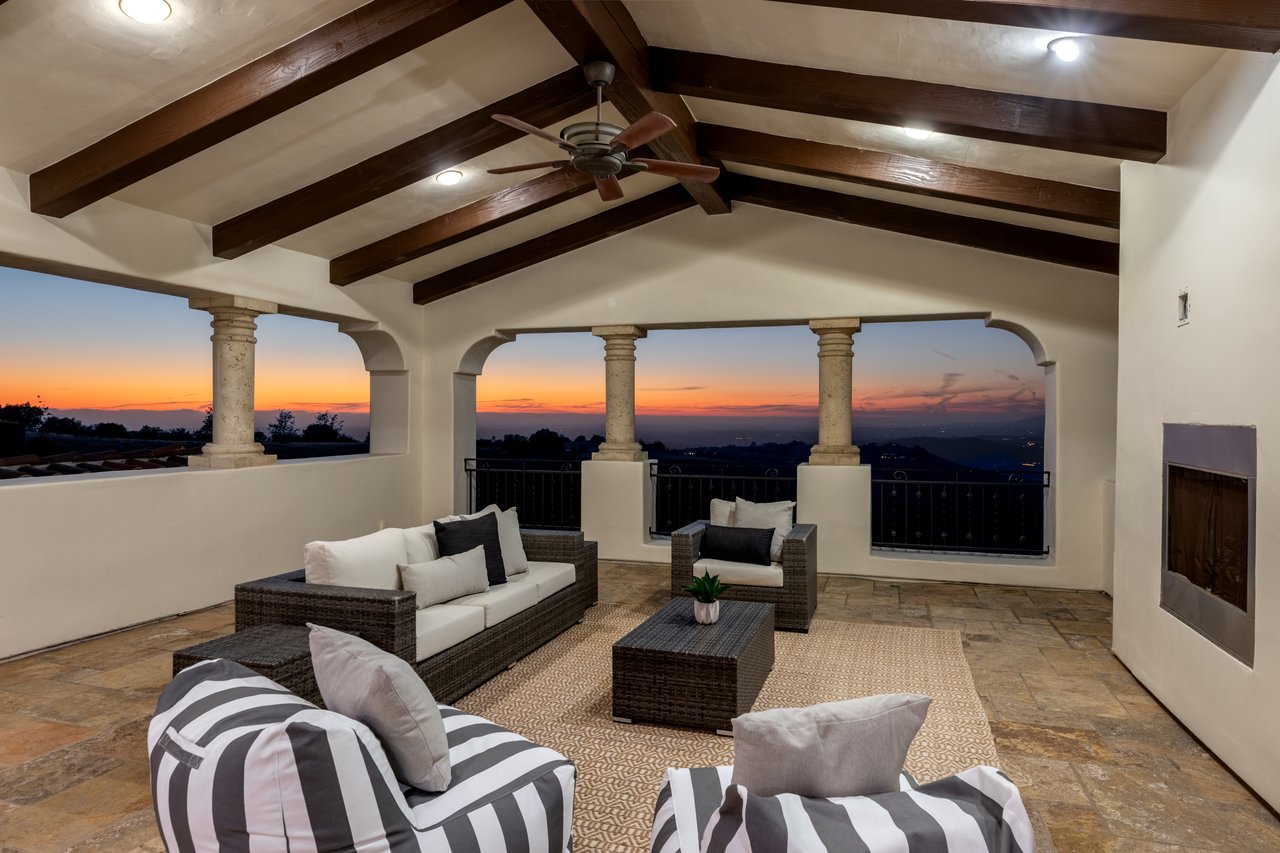
For many professionals, quality of life depends on how easy it is to recharge close to home. Carmel Valley benefits from a strong mix of civic and recreational amenities that support that goal.
The City of San Diego lists neighborhood parks, a library, a recreation center, and open-space trails within the community. The recreation center includes outdoor courts, a field, tennis courts, a gym, picnic areas, and a nearby swimming pool. These are practical amenities that can make weekly routines feel easier, especially if you value fitness, time outdoors, or flexible family activities.
For larger weekend outings, Carmel Valley is also close to major regional open space. Los Peñasquitos Canyon Preserve offers about 12 miles of trails across 3,700 acres, and Torrey Pines State Natural Reserve adds protected coastal hiking and distinctive natural habitat.
That access matters if you want a neighborhood that supports both productivity and downtime. Instead of driving far to enjoy trails, parks, or open views, you have those experiences woven into the broader area.
Carmel Valley Housing Options
One of the biggest surprises for out-of-area buyers is how varied Carmel Valley’s housing stock can be. It is not defined by one single home style or lot pattern.
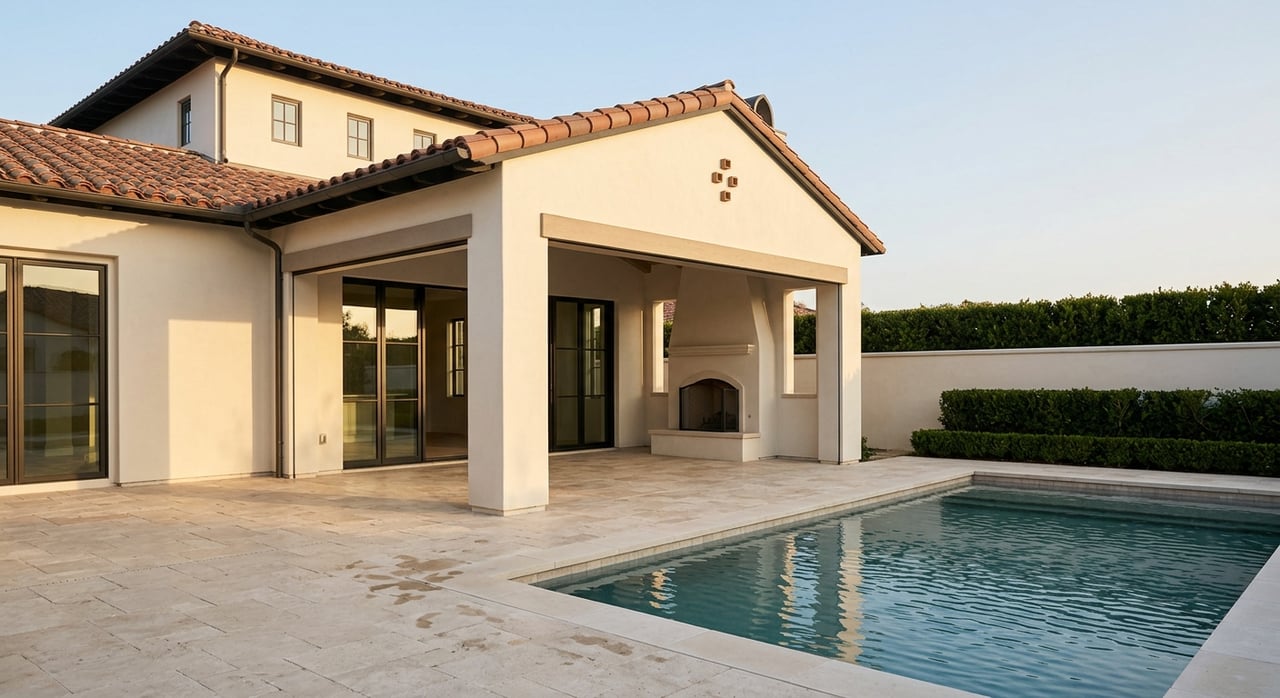
City planning documents show detached homes in outer areas, while locations closer to El Camino Real and Del Mar Heights Road include small-lot detached homes, townhomes, and other low-density attached housing. The town center area also includes multifamily residential at several densities along with shopping, the community park, and the library.
That variety gives professionals several clear paths depending on lifestyle priorities.
Detached Homes for Space and Privacy
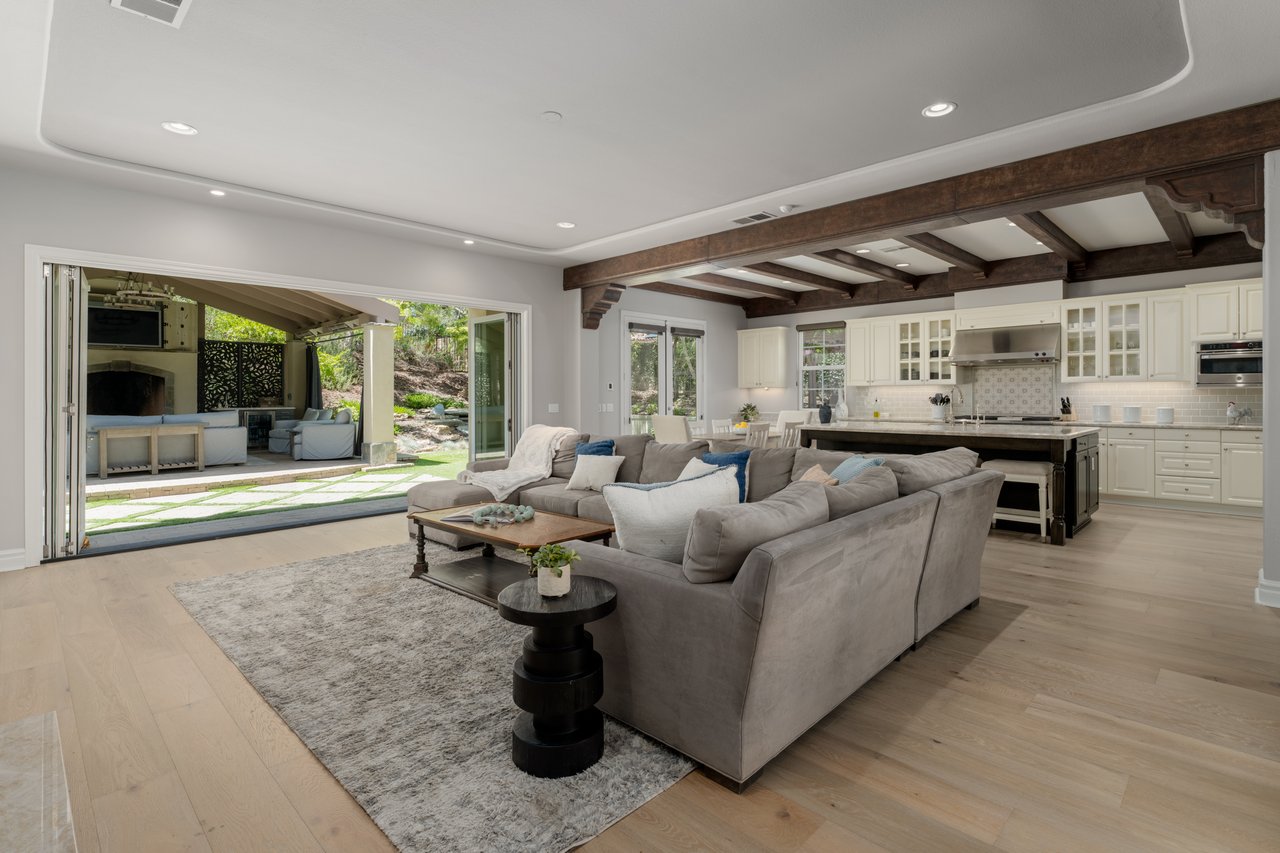
If you want a more traditional suburban setup, detached homes in the quieter residential pockets may be the best fit. These areas can appeal to buyers who value more separation from retail activity and a stronger sense of residential calm.
This option may work well if you are moving from another suburban market, need additional space, or simply prefer a home environment that feels more private. It can also be a good fit if your work is demanding and you want your home to feel clearly separate from the pace of the day.
Townhomes, Condos, and Apartments for Convenience
If you prefer lower maintenance and easier access to daily amenities, Carmel Valley also offers attached and higher-density choices. Near the mixed-use core, you may find a more convenient lock-and-leave lifestyle that suits a frequent traveler, a relocating executive, or a buyer who wants simplicity.
One Paseo Living reflects that side of the market, with studios, townhomes, and luxury apartments in a walkable setting. For some professionals, that setup can make a relocation feel smoother because it reduces upkeep while keeping essentials close.
How To Choose the Right Part of Carmel Valley
Because Carmel Valley is organized around subareas and planning districts, the smartest way to narrow your search is usually to focus on function first. Start with where you need to go most often, then evaluate housing style, then confirm address-specific details.
A practical order looks like this:
- Commute anchor first: Identify your main work or travel corridor.
- Home type second: Decide whether you want a detached home, townhome, condo, or apartment.
- Address details third: Verify district, HOA, and property-specific factors before you move forward.
This approach helps you avoid a common relocation mistake. It is easy to fall in love with a home online before understanding how it fits your day-to-day movement across the region.
Details Relocating Buyers Should Verify Early
Address-level verification matters in Carmel Valley. The City of San Diego lists three public school districts serving the community: Del Mar Union, San Dieguito Union, and Solana Beach. If district assignment is relevant to your move, it is important to confirm the exact property address rather than assume coverage based on a broader neighborhood label.
This is especially important when comparing detached neighborhoods to housing near the town center or employment areas. Carmel Valley’s internal layout is more layered than many first-time buyers expect.
You should also weigh the tradeoff between walkability and lot size. The central retail and office nodes support convenience, while open-space edges, canyon areas, and detached-home pockets tend to offer a more suburban feel. For many relocating professionals, that balance becomes the deciding factor.
Is Carmel Valley the Right Fit for You?
Carmel Valley tends to make the most sense if you want regional access, polished daily convenience, and a choice between lower-maintenance living and more traditional residential space. It works especially well for buyers who want to stay connected to major job centers without living in a denser urban environment.
It may also be a strong fit if your move involves career mobility, family logistics, or military relocation timing. With access to I-5, I-805, and SR-56, plus nearby rail connections through Sorrento Valley, the community gives you flexibility that can matter long after move-in day.
The key is choosing the right micro-location for your goals. In a neighborhood like Carmel Valley, the best home is not just about square footage or finishes. It is about how well the property supports the way you plan to live and move through San Diego.
If you are weighing a move to Carmel Valley and want a clear, discreet strategy tailored to your priorities, Chris Martin can help you evaluate the right neighborhoods, home types, and relocation path across North County San Diego.
FAQs
What makes Carmel Valley a good place for professionals relocating to San Diego?
- Carmel Valley offers access to I-5, I-805, and SR-56, along with proximity to UTC, UC San Diego, Sorrento Valley, Del Mar, and downtown San Diego.
What housing types are available in Carmel Valley for relocating buyers?
- Carmel Valley includes detached homes, small-lot detached homes, townhomes, condos, apartments, and multifamily housing in different parts of the community.
What should families verify before buying a home in Carmel Valley?
- Families should confirm the exact property address and verify district details, since the community is served by Del Mar Union, San Dieguito Union, and Solana Beach public school districts.
Is Carmel Valley a walkable neighborhood for daily living?
- Some areas near lifestyle hubs like One Paseo and Del Mar Highlands offer more convenience and walkability, but Carmel Valley generally functions as a car-first suburb.
Are there outdoor amenities near Carmel Valley homes?
- Yes. The community includes parks, a library, a recreation center, and open-space trails, with regional access to Los Peñasquitos Canyon Preserve and Torrey Pines State Natural Reserve.